
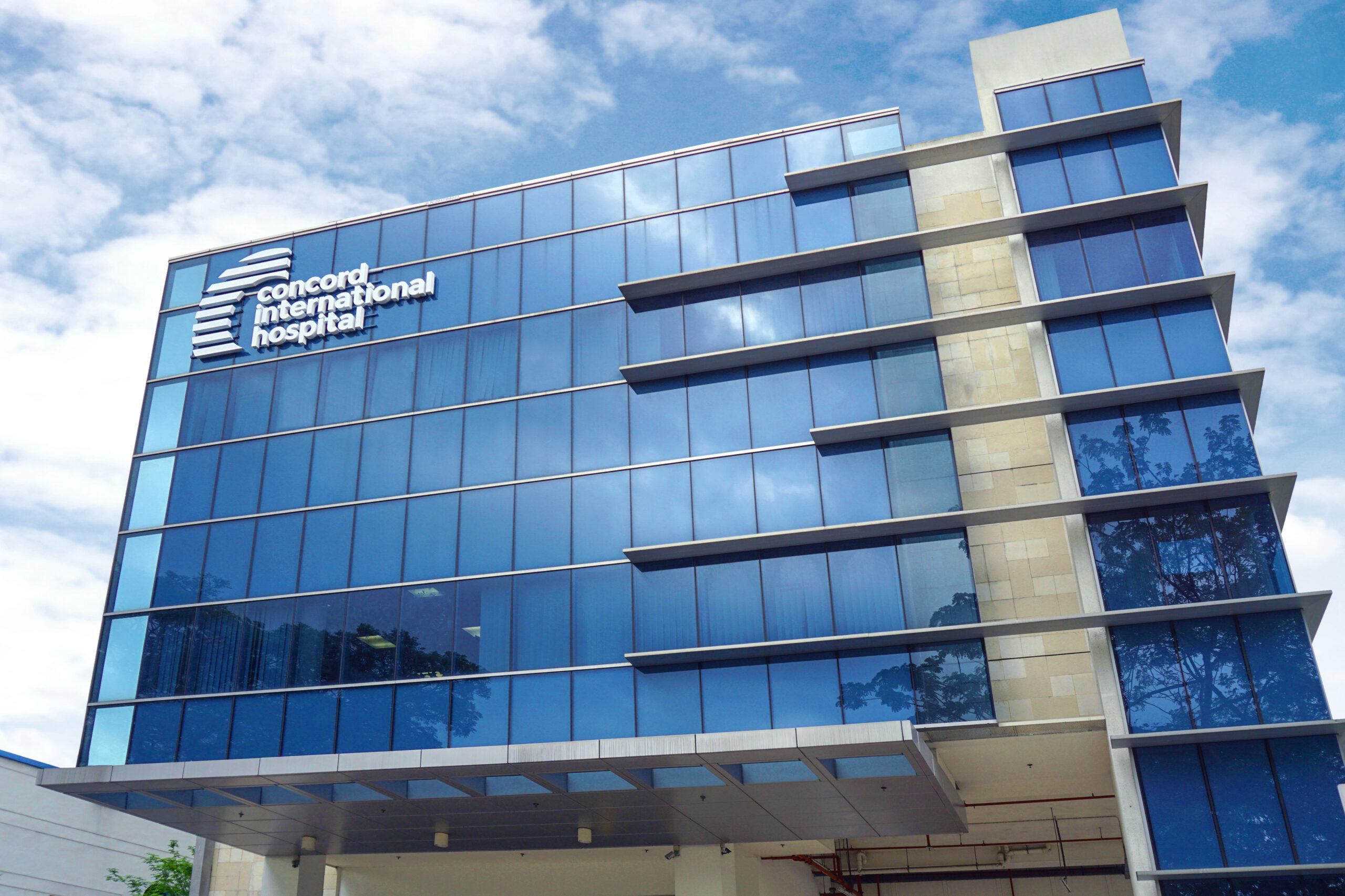
| Verified against primary record | |
| Foreign medical travellers (2006) | About 410,000, estimated by tourism board survey[1] |
|---|---|
| Foreign medical travellers (2007) | About 348,000, a fall of 15 per cent[1] |
| Spending by medical travellers (2007) | 1.7 billion dollars, up 30 per cent[1] |
| How the figures were produced | Singapore Tourism Board airport exit surveys[1] |
| Abandoned target | One million foreign patients by 2012[1] |
| Foreign share of public hospital patient load (2010) | Under 3 per cent[3] |
| Public hospital overseas marketing | None undertaken[3] |
| Subsidy position | Foreigners are not subsidised[1] |
| Bands apply only to the rows beneath them. These are the most recent official Singapore figures located, and they are survey estimates rather than counts. The ministry itself described the 2007 fall as unexpected, because hospital admissions and patient-days rose in the same year, and recorded that the tourism board was re-examining its survey methodology. No more recent official count of medical travellers to Singapore was found. No typical cost range is given because no official Singapore source publishes prices paid by foreign patients. | |
Medical tourism in Singapore is documented chiefly through parliamentary replies by the Ministry of Health, and those replies tell a more cautious story than Singapore’s reputation as a regional medical hub suggests. The official figures were survey estimates that the ministry itself questioned, a headline target of one million foreign patients was set and then quietly conceded as unreachable, public hospitals do not market overseas, and foreign patients have accounted for under 3 per cent of the public hospital load.
The official figures and their weakness
Answering a parliamentary question on 22 January 2009, the Ministry of Health gave estimates produced by the Singapore Tourism Board from airport exit surveys: about 410,000 foreign medical tourists in 2006, falling about 15 per cent to about 348,000 in 2007. Spending by medical tourists was reported to have risen 30 per cent in 2007 to 1.7 billion dollars. Figures for 2008 were not yet available.[1]
The ministry did not present these numbers with confidence. It described the 2007 decline as unexpected, because hospitals had recorded higher admissions and more patient-days in the same year, and it reported that the tourism board was re-examining its survey methodology. A fall in the survey estimate alongside a rise in hospital activity is a straightforward indication that the instrument, not the activity, had changed.[1]
Later in the same year, on 14 September 2009, the ministry confirmed that arrivals were estimated through annual tourism board surveys and that 2009 figures were not yet available, noting that private hospital revenue had changed only marginally between the second quarters of 2008 and 2009.[2]
No more recent official Singapore count of medical travellers was located for this article. Figures circulating for later years should therefore be traced to a named source before use.
The abandoned target
Singapore had adopted a goal of attracting one million foreign patients by 2012. In the January 2009 reply the ministry acknowledged that the target would be hard to meet given the global downturn, said hospitals would need to work harder, and allowed that reaching it might take longer. Set against the roughly 348,000 estimated for 2007, the gap was substantial.[1]
The ministry framed the hub ambition as a by-product rather than an objective in its own right: the aim of making Singapore a regional medical hub was unchanged, but it described that standing as a consequence of its primary mission of giving Singaporeans access to high-standard, affordable healthcare. It also noted that because foreigners are not subsidised, foreign patient volumes would track the regional economy.[1]
In the September 2009 reply the ministry placed patient attraction as one component of the wider SingaporeMedicine initiative alongside research, medical technology and innovation, mentioning a joint health and wellness initiative with the Economic Development Board.[2]
Public hospitals and foreign patients
On 22 February 2010 the ministry answered a question on overseas marketing expenditure with a flat statement of policy: public hospitals do not engage in overseas marketing, and their mission and priority remain local residents, particularly lower-income groups. It added that public hospitals nevertheless treat foreign patients and do not turn them away, and that foreign patients made up less than 3 per cent of the total patient load.[3]
The same reply recorded that the medical hub role was promoted under the SingaporeMedicine initiative led by the Singapore Tourism Board, and explained the ministry’s support on the basis that foreign patients seek complex tertiary treatment, where Singapore’s higher costs are offset by its advantages over regional competitors. The question had asked for annual overseas marketing amounts from 2007 to 2009; the reply gave none.[3]
Taken together, the three replies describe a destination whose public sector declines to market itself abroad, whose foreign caseload is a small single-digit share of public hospital activity, and whose promotion was handled by a tourism agency rather than the health ministry.
Singapore providers abroad
Singapore’s role in regional medical travel is not confined to receiving patients. Singaporean hospital operators have established facilities in other countries’ medical travel zones, including the Raffles group among the international institutions operating in China’s Boao Lecheng pilot zone in Hainan.[4]
Limits of the evidence
Every quantity in this entry is at least fifteen years old, which reflects what is officially available rather than a choice to use dated material. The patient numbers are survey estimates based on airport exit interviews, a method that depends on travellers correctly classifying their own purpose of visit, and the ministry recorded that the method was under review precisely because its results conflicted with hospital activity data. The under 3 per cent figure describes public hospitals only and says nothing about the private sector, where most foreign patients are treated. No official Singapore source publishes what foreign patients pay.
See also
- Medical tourism surveys, the method behind the Singapore estimates and its weaknesses
- Medical tourism in Malaysia, the neighbouring destination with a different counting definition
- Medical tourism in China, where Singaporean operators have established facilities
- Tertiary care, the complexity level the ministry gives as the basis of Singapore’s advantage
- Medical tourism and public subsidies, relevant to the stated position that foreigners are not subsidised
References
- Ministry of Health, Singapore. Medical Travellers Update. Reply to Parliamentary Question No. 905, 22 January 2009. Verified against primary record: the reply was opened and the 2006 and 2007 estimates, the 15 per cent fall, the 2007 spending figure, the description of the tourism board exit-survey method, the statement that the fall was unexpected given higher hospital admissions, the note that the methodology was being re-examined, the one million by 2012 target and its downgrading, and the statement that foreigners are not subsidised were read directly. Retrieved 23 October 2026.
- Ministry of Health, Singapore. Update on medical tourism in Singapore. Written reply to Parliamentary Question No. 58, 14 September 2009. Verified against primary record: the reply was opened and the confirmation that arrivals are estimated through annual tourism board surveys, the absence of 2009 figures, the note on private hospital revenue, and the framing of patient attraction as one component of SingaporeMedicine were read. Retrieved 23 October 2026.
- Ministry of Health, Singapore. Overseas Marketing Expenditure. Reply to Parliamentary Question No. 310, 22 February 2010. Verified against primary record: the reply was opened and the statement that public hospitals do not engage in overseas marketing, the statement that they treat foreign patients and do not turn them away, the under 3 per cent share of total patient load, the attribution of SingaporeMedicine to the tourism board, the tertiary care rationale, and the absence of the requested expenditure figures were read. Retrieved 23 October 2026.
- China Daily, republished by the State Council service portal. Hainan’s special health zone pulls in more patients. 10 April 2023. Independently reported: the article was opened and the presence of international institutions in the Boao Lecheng zone, including the Raffles group, was read. This is Chinese state media and is treated accordingly. Retrieved 23 October 2026.
Sourcing note: this entry rests on three parliamentary replies by the Ministry of Health, which are the most recent official Singapore statements on medical travel volumes that could be located. The dollar figure is reproduced as the reply gives it, without conversion. No attempt has been made to update the estimates to the present, and no figure has been estimated for any later year. The ministry’s own doubts about its survey method are reported because they bear directly on how much weight the figures can carry.