
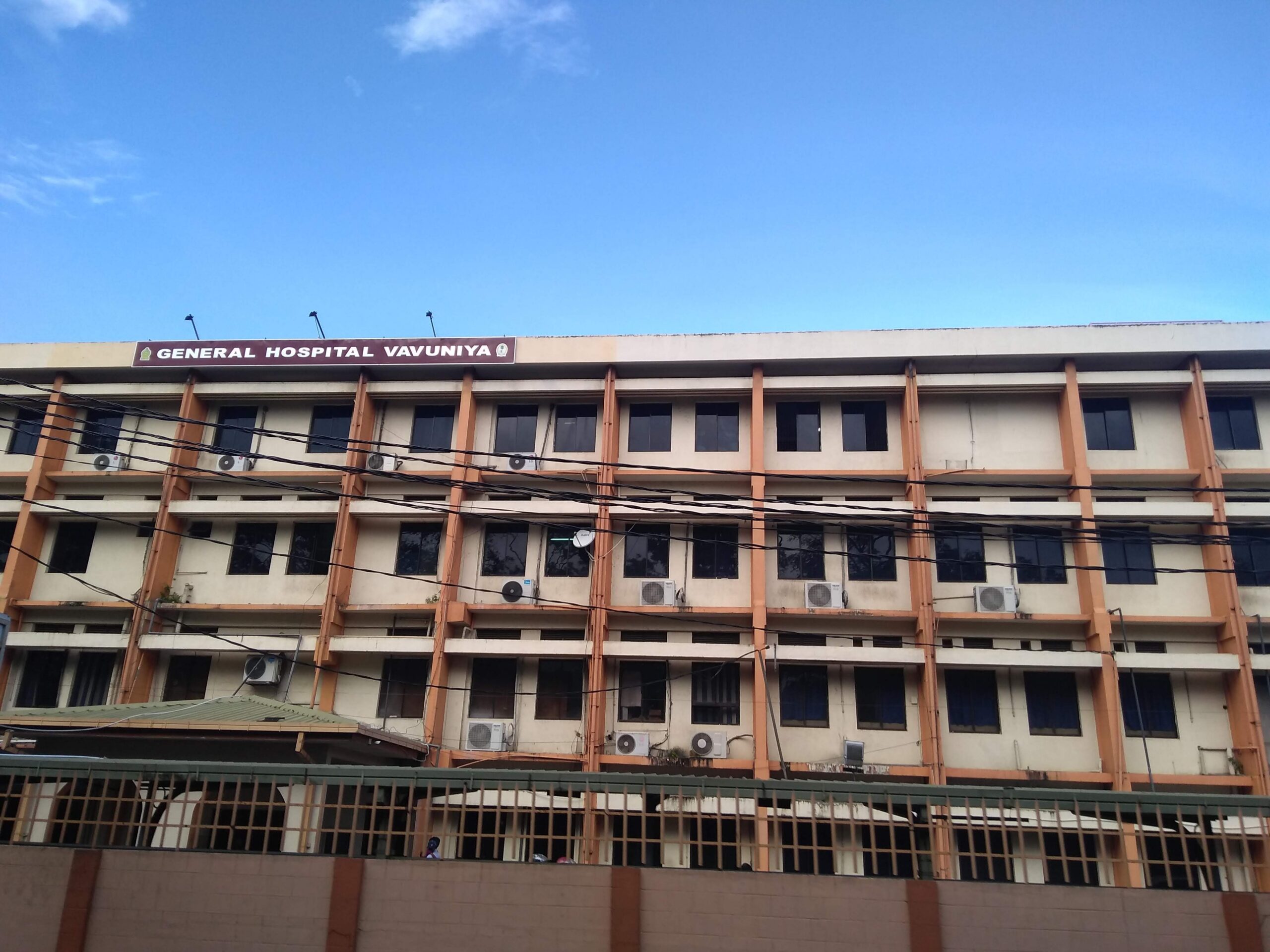
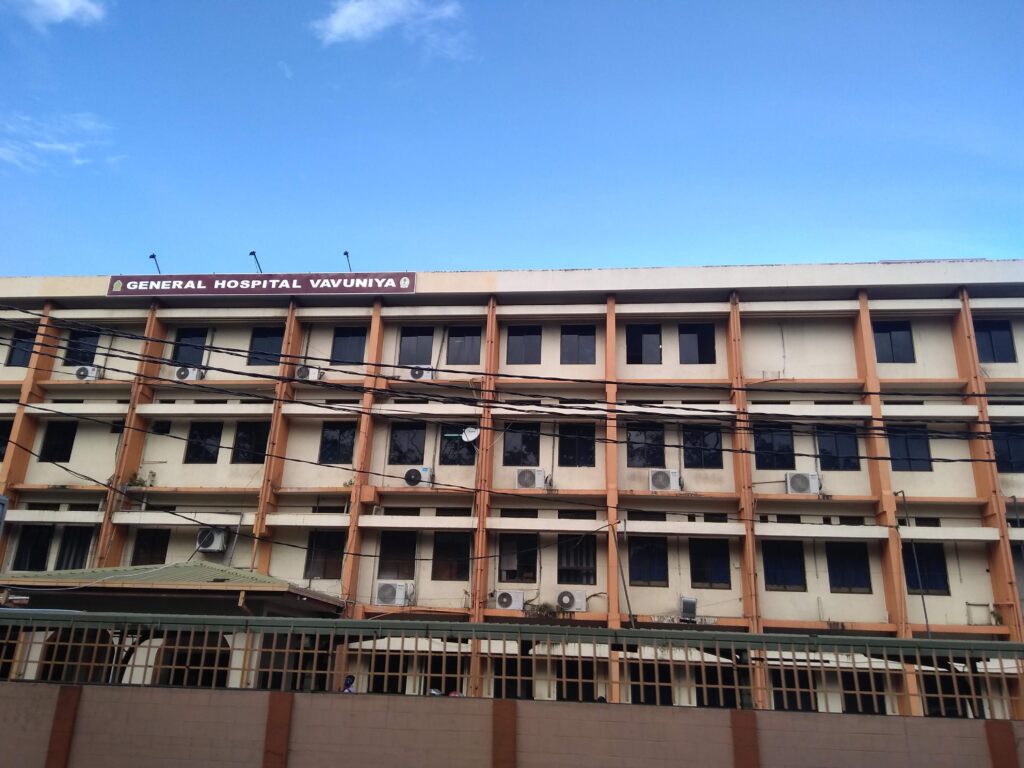
| Independently reported | |
| Sri Lanka in Indian medical visa data | Named among the top twenty source countries for 2019 to 2024, which together accounted for about 95 per cent of visas, but no figure is given[1] |
|---|---|
| Sri Lanka in the 2017 Indian breakdown | Not mentioned at all[2] |
| Sri Lankan count of inbound patients | No figure located in any source[2] |
| Sri Lankan count of outbound patients | No figure located in any source[2] |
| Regional leaders for context | Thailand about 1 million visitors a year, India 500,000, Singapore 350,000[4] |
| This entry has no primary-record band and is among the thinnest in the series. No Sri Lankan government source on medical travel in either direction was located. The one Sri Lanka-specific statement available is that the country appears in a list of India’s top twenty medical visa source countries without a number attached. No typical cost range is given. | |
Medical tourism in Sri Lanka is close to invisible in the accessible record. The only Sri Lanka-specific fact located is that the country is named among the top twenty sources of Indian medical visas between 2019 and 2024, without a figure, and it does not appear at all in the detailed Indian source-country breakdown for 2017. No Sri Lankan government statistic on patients travelling in either direction was found.
What the Indian data shows and does not
India is the dominant destination for South Asian medical travel, so Indian arrival data is the natural place to look for Sri Lankan outbound numbers. Indian Ministry of External Affairs figures record medical visas issued rising from about 38,000 in 2012 to about 376,000 in 2019, falling to under half that in 2020, recovering to 338,000 in 2021 and over 400,000 in 2022, reaching a record 597,000 in 2023, then declining 22 per cent to 464,000 in 2024. Sri Lanka and the Maldives are named among the top twenty countries across 2019 to 2024, a group accounting for about 95 per cent of the total, but no country figures are given for either.[1]
A more detailed analysis of Indian Bureau of Immigration and Ministry of Tourism data for 2017, which recorded 495,056 medical tourists in total against 427,014 in 2016 and 233,918 in 2015, gives country figures for Bangladesh, Afghanistan, Iraq, the Maldives, Oman, Yemen, Uzbekistan, Nigeria, Pakistan, Kuwait, the Seychelles, the United Kingdom, the United States, France and Germany. Sri Lanka is not among them.[2]
Those two findings are in tension and the tension is informative. A country named in a top-twenty list must have a measurable number, yet it does not appear in a fifteen-country breakdown of a comparable dataset. The likeliest reading is that Sri Lanka sits low in the top twenty, below the threshold at which the 2017 analysis listed countries individually, which would place its volume well under the roughly 5,500 recorded for Nigeria that year. That is an inference from the structure of the two sources, not a figure either of them gives.
What is missing
Sri Lanka has a long-established free public health system with health indicators historically strong for its income level, a substantial private hospital sector in Colombo, and is promoted commercially for ayurveda and wellness as well as for surgery and dentistry. None of that could be quantified from any source located here: no health ministry statistic on foreign patients, no tourism authority figure, no hospital capacity data and no accreditation register was retrieved.
The country also went through a severe economic and foreign exchange crisis in the early 2020s, with reported shortages of imported medicines, which would bear directly on both its capacity to treat foreign patients and its residents’ ability to pay for treatment abroad. No source examined for this article documents either effect, so neither is asserted here.
Regional context
A 2015 briefing by an economist in the United States International Trade Commission’s Office of Industries, published as the author’s own views and not the Commission’s, names the leading global providers as Thailand with about 1 million visitors a year, India with 500,000 and Singapore with 350,000, against a global estimate of roughly 3 million patients travelling for healthcare each year. Sri Lanka appears in none of its breakdowns.[4]
The Centers for Disease Control and Prevention lists cosmetic surgery, dental care, cancer treatment, fertility treatment and organ transplantation as the procedures most often sought abroad, notes that some highly resistant bacteria and fungi appear more common in some countries where patients seek care, and states that accreditation does not guarantee a good outcome.[3]
Limits of the evidence
This entry contains no Sri Lankan figure of any kind, because none was located. The inference about where Sri Lanka sits in the Indian rankings is labelled as an inference from the structure of two sources and is not a count. The economic crisis and the private sector in Colombo are mentioned as context that could not be sourced rather than as findings. Commercial medical tourism and wellness directories carrying Sri Lankan patient volumes and prices were excluded for want of a verifiable source. Sri Lanka deserves a fuller entry than the accessible record supports.
See also
- Medical tourism in Bangladesh, the South Asian flow that Indian data does measure
- Traditional medicine tourism, covering the ayurveda offering
- Source markets in medical tourism, the only role the record assigns Sri Lanka
- Medical tourism statistics, and a country named in a ranking with no number
- Outbound medical tourism, the direction the Indian data covers
References
- Factly. Data: Medical visas issued by India down more than 20% in 2024 on account of political unrest in Bangladesh. Independently reported: the article was opened and its attribution of medical visa numbers to the Indian Ministry of External Affairs and of foreign tourist arrival figures to the Ministry of Tourism, the medical visa series of about 38,000 in 2012, about 376,000 in 2019, less than half that in 2020, 338,000 in 2021, more than 400,000 in 2022, a record 597,000 in 2023 and 464,000 in 2024 representing a 22 per cent decline, the unavailability of 2018 figures in the public domain, the naming of Sri Lanka and the Maldives among the top twenty countries for 2019 to 2024 accounting for about 95 per cent of total visas without any figures for either, and the Ministry of Tourism medical-purpose arrival figures of 697,000 in 2019, below 200,000 in 2020 and 635,000 in 2023 were read directly. The article states no author or publication date. Retrieved 23 October 2026.
- International Medical Travel Journal. IMTJ analysis of 2017 India medical tourist data. Published 20 September 2018. Independently reported: the analysis was opened and its attribution to federal government figures from the Bureau of Immigration and Ministry of Tourism, the totals of 495,056 medical tourists in 2017, 427,014 in 2016 and 233,918 in 2015, the country-level breakdown naming Bangladesh, Afghanistan, Iraq, the Maldives, Oman, Yemen, Uzbekistan, Nigeria, Pakistan, Kuwait, the Seychelles, the United Kingdom, the United States, France and Germany with their figures, the complete absence of Sri Lanka and Nepal from that breakdown, the caveat that previous Indian figures were based on medical visa numbers but not all medical tourists apply for medical visas so the newer figures are based on total medical tourist numbers, and the observation that the Maldives figure is suspicious given a national population of only 445,000 were read directly. Retrieved 23 October 2026.
- Stoney, R. J. and Leidel, L. Medical Tourism. CDC Yellow Book: Health Information for International Travel, 2026 edition, United States Centers for Disease Control and Prevention. Page dated 23 April 2025. Independently reported: the chapter was opened and the listing of cosmetic surgery, dental care, cancer treatment, fertility treatment and organ transplantation as the procedures most often sought abroad, the note that highly resistant bacteria and fungi appear more common in some countries where patients seek care, and the statement that accreditation does not guarantee a good outcome were read directly. Retrieved 23 October 2026.
- Chambers, A. Trends in U.S. Health Travel Services Trade. Office of Industries, United States International Trade Commission, Executive Briefing on Trade, August 2015. Independently reported: the briefing was opened and the identification of the leading global providers as Thailand with about 1 million visitors a year, India with 500,000 and Singapore with 350,000, the global estimate that roughly 3 million patients are thought to travel for healthcare each year, and the absence of Sri Lanka from its breakdowns were read directly. The briefing states that the views expressed are those of the author and not those of the Commission. Retrieved 23 October 2026.
Sourcing note: no Sri Lankan figure is given anywhere in this entry because none was found, and the one reasoning step taken, about where Sri Lanka probably sits in the Indian rankings, is labelled an inference from two sources’ structure rather than presented as data. Sri Lanka’s health system, private sector and economic crisis are named as unsourced context, not as findings. Commercial directories were excluded. Nothing has been estimated.