
| Verified against primary record | |
| England, the power | A power to license non-surgical cosmetic procedures, in force since 1 July 2022[1] |
|---|---|
| England, the scheme | No licensing scheme had been made as at the most recent parliamentary briefing[2] |
| Training baseline | No specific requirement for practitioners to undertake education or training[2] |
| Records read | Two statutes, a Scottish act and a parliamentary briefing, 30 September 2026 |
| Independently reported | |
| Definition | No official definition of a medical spa was located in any jurisdiction examined |
| Bands apply only to the rows beneath them. The briefing is from September 2025 and the position may have changed since. | |
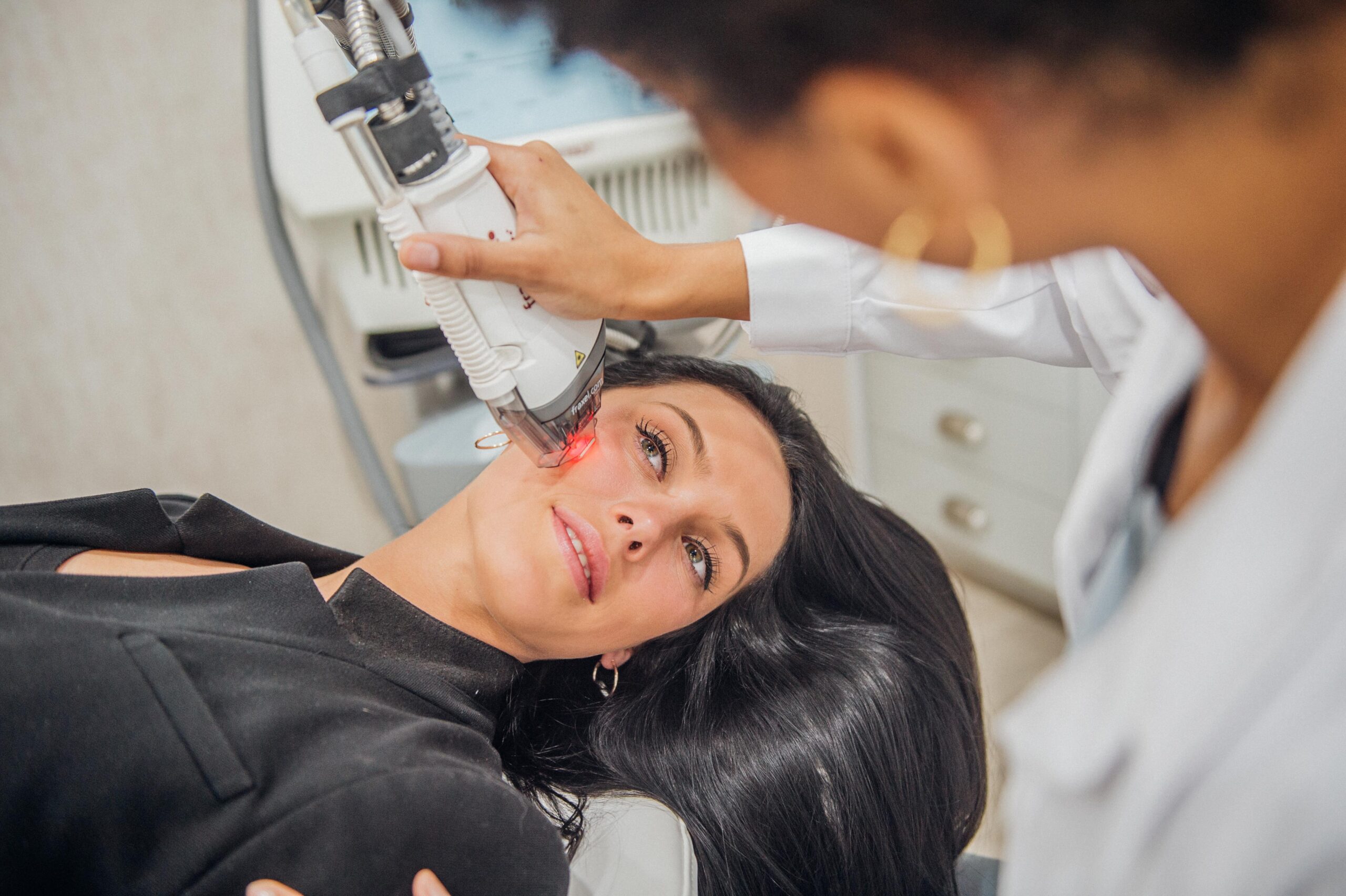
Medical spa tourism is travel to facilities offering non-surgical cosmetic and aesthetic procedures, typically injectables, energy-based devices, peels and threads, in a setting presented as a spa rather than a clinic. The category exists precisely because it sits between regulatory regimes, and the most telling fact about it is that no official definition of the term was located in any jurisdiction examined for this entry. It is defined by marketing, not by law.
A power without a scheme
England offers the clearest illustration, and it requires a distinction that is constantly got wrong. Section 180 of the Health and Care Act 2022 confers a regulation-making power: the Secretary of State may make regulations to prohibit an individual in England from carrying out specified cosmetic procedures without a licence, and to prohibit the use of premises for such procedures without a premises licence. The procedures within scope are defined broadly, covering the injection of substances, the application of substances that penetrate the epidermis, the insertion of needles, the placement of threads under the skin, and the application of light, electricity, cold or heat. A schedule provides for fees, criminal offences and financial penalties. That section came into force on 1 July 2022.[1]
The licensing scheme itself is another matter. A parliamentary research briefing dated September 2025 records that the section enables the government to establish a licensing scheme, and that the scheme had not been brought into force because the regulations creating it had not been made. A consultation ran from September to October 2023 proposing a risk-based model in three tiers: low-risk procedures open to any licensed practitioner meeting agreed standards, medium-risk procedures restricted to non-healthcare practitioners under regulated professional oversight or to qualified healthcare professionals working independently, and high-risk procedures restricted to regulated healthcare professionals in registered premises. A government response published in August 2025 signalled an intention to proceed, prioritising high-risk procedures such as dermal fillers for breast, buttock and genital augmentation and restricting access for under-eighteens except with medical oversight.[2]
Both halves of that matter. The statement that the section is not in force is wrong; so is the statement that England licenses these procedures. The accurate position is that the power exists and has since July 2022, and that as at the most recent briefing no scheme had been made under it. That briefing is a year old at the time of writing and the position should be re-checked.
The baseline in the meantime is set out in the same briefing: there is no specific requirement for practitioners to undertake education or training, and practitioners may join voluntary registers if they choose.[2]
Where legislation has gone further
Two narrower measures exist. Legislation of 2021 created an offence relating to the administration of botulinum toxin and cosmetic fillers to a child, with separate provisions for persons carrying on a business and for bodies corporate.[3] And Scotland has legislated separately, in an Act of 2026 which defines specified non-surgical procedures across eleven categories including ablative laser treatment, chemical peels, dermal microcoring, injectable procedures, microneedling, thread lifts and subcision, with the licensing machinery placed in secondary legislation under an earlier civic government statute.[4] Only the schedule of definitions was read for this entry, so its commencement and licensing conditions are not described. A claim about the United Kingdom as a whole would now be inaccurate, because the jurisdictions are moving at different speeds.
Medical supervision requirements, the prescription status of individual products and the thresholds at which premises must register with a health regulator were not verified for this entry and are not stated.
See also
- Cosmetic surgery tourism, the surgical end of the same market
- Wellness tourism, the category this borrows its setting from
- Thermal tourism, the older spa tradition with a regulated medical form
- Medical tourism and public health, for the regulatory response to unregulated practice
References
- United Kingdom Parliament. Health and Care Act 2022, section 180. In force 1 July 2022 by S.I. 2022/734. Verified against primary record: statutory text and commencement annotation opened and read. Retrieved 30 September 2026.
- House of Commons Library. The regulation of non-surgical cosmetic procedures in England. Briefing CBP-10331, 10 September 2025. Independently reported: parliamentary research service briefing. The position it describes is a September 2025 snapshot. Retrieved 30 September 2026.
- United Kingdom Parliament. Botulinum Toxin and Cosmetic Fillers (Children) Act 2021. Verified against primary record: contents page opened and read; section text, extent, commencement and penalties were not read. Retrieved 30 September 2026.
- Scottish Parliament. Non-surgical Procedures and Functions of Medical Reviewers (Scotland) Act 2026, schedule. Verified against primary record: schedule of definitions opened and read; commencement and licensing conditions were not read. Retrieved 30 September 2026.
Sourcing note: the two statutes, the Scottish schedule and the parliamentary briefing were opened and read on 30 September 2026. The distinction between the licensing power, which is in force, and the licensing scheme, which had not been made as at September 2025, is set out in full because both halves of it are commonly misstated in opposite directions. The briefing is a year old and the current position requires re-checking. Only parts of two of the statutes were read, and what was not read is named rather than filled in. No official definition of a medical spa was located, which is reported as a search result rather than as an authoritative absence.