
| Verified against primary record | |
| Hospitals | 316 private alongside 522 public[1] |
|---|---|
| Health spending per person (2021) | USD 1,114 at purchasing power parity, against a Central Asian average of USD 680 and a WHO European Region average of USD 3,841[1] |
| Total health spending (2021) | 3.9 per cent of GDP, of which public spending was 65.3 per cent[1] |
| Out-of-pocket share (2021) | 25.0 per cent, down from 35.7 per cent in 2016[1] |
| Insurance coverage (start of 2024) | Over 84 per cent of the population covered by the Social Health Insurance Fund[1] |
| Physicians (2020) | 403 per 100,000, of whom 82.8 per cent work in urban areas[1] |
| Medical tourism in the comparative profile | Not mentioned; the only reference to travel abroad concerns health workers leaving[1] |
| Bands apply only to the rows beneath them. No official Kazakh count of foreign patients, no medical tourism revenue figure and no outbound patient figure was located, and none has been estimated. No typical cost range is given because no official Kazakh source publishes prices paid by foreign patients. | |
Medical tourism in Kazakhstan is absent from the country’s own comparative health system assessment, which records a system in the middle of a transition to social health insurance, with substantial private hospital capacity, health spending well above the Central Asian average but far below the European norm, and a workforce concentrated in cities. The only movement of people across borders the assessment discusses is health workers leaving.
Insurance transition and provider mix
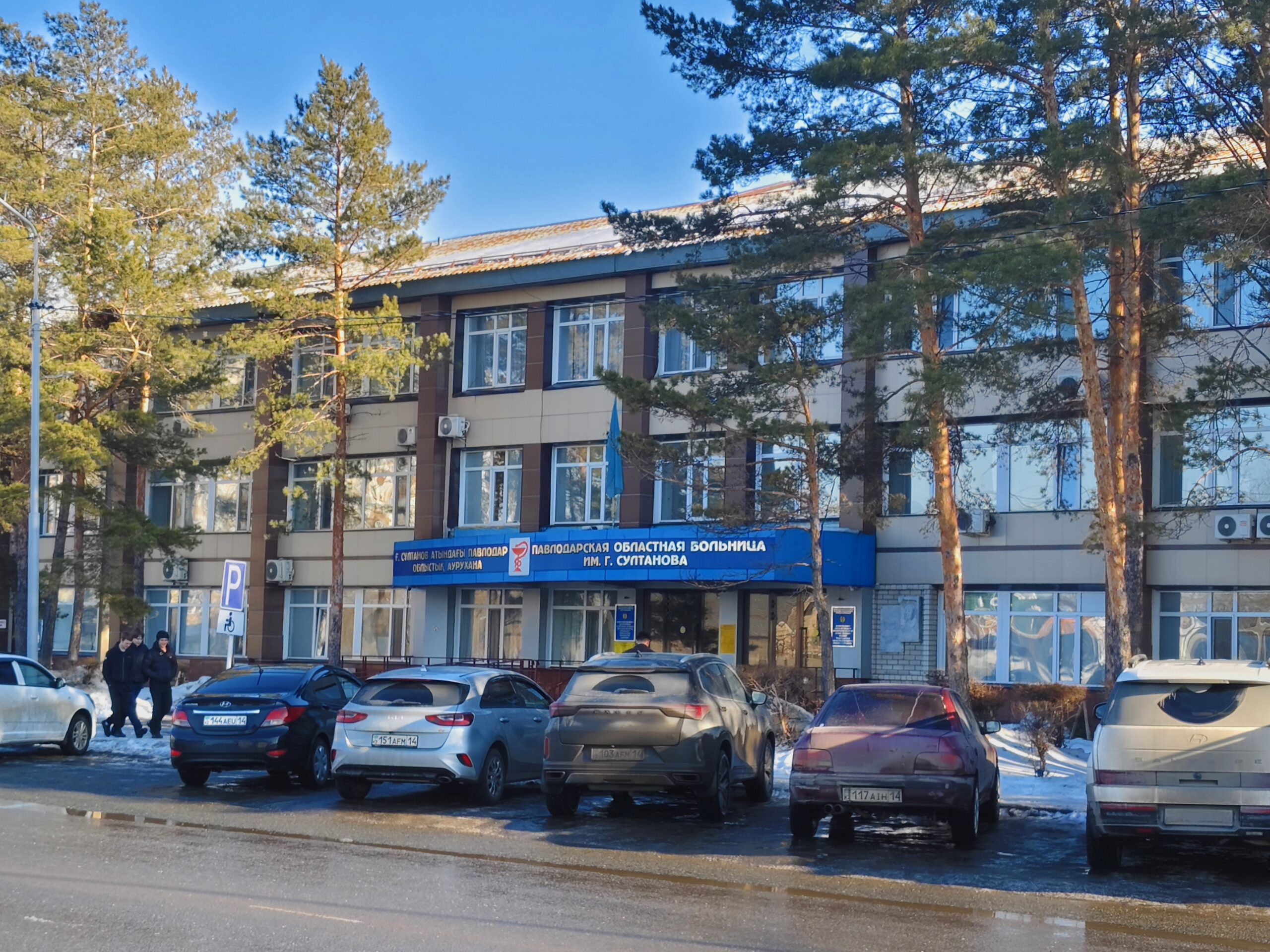
Kazakhstan moved to a social health insurance model in 2020. The Social Health Insurance Fund purchases services from both public and private providers under two benefit packages, and by the start of 2024 over 84 per cent of the population was covered. The WHO European Observatory profile records 316 private hospitals alongside 522 public ones, with most hospitals being single-specialty facilities.[1]
A private sector of that size, paid in part from a public insurance fund, is the structural precondition most destination countries share. What the record does not contain is any evidence that it serves patients from outside Kazakhstan, or any mechanism by which such patients would be counted.
Spending and financial protection
Health spending reached 1,114 United States dollars per person at purchasing power parity in 2021, against a Central Asian average of 680 dollars and a WHO European Region average of 3,841 dollars. Total health spending was 3.9 per cent of gross domestic product, of which public spending accounted for 65.3 per cent, well above the Central Asian figure of 39.6 per cent. Out-of-pocket spending fell to 25.0 per cent of health spending in 2021 from 35.7 per cent in 2016, slightly below the regional average of 26.6 per cent, with outpatient prescription medicines the main driver. The profile notes that little data on financial protection is available.[1]
Kazakhstan is therefore the best-funded health system in Central Asia by a wide margin and still spends under a third of what the WHO European Region averages. That position, above its neighbours and below Europe, is the single most useful fact for understanding where any regional patient movement would run.
Capacity and workforce
Hospital beds per 100,000 people fell from 752 in 2006 to 513 in 2019, then rose to 672 in 2020 during the coronavirus pandemic. Physicians numbered 403 per 100,000 in 2020, above the WHO European Region average of 387, but 82.8 per cent worked in urban areas. Nurses numbered 651 per 100,000 in 2021 against a regional average of 803. Generalists made up 8.2 per cent of physicians in 2014, with national data giving 11.6 per cent in 2022.[1]
A destination for health workers, not recorded as one for patients
The equivalent profile for Uzbekistan records health worker emigration from Uzbekistan mainly to Russia and Kazakhstan, and more recently to Germany. Kazakhstan is therefore documented as a destination within Central Asia for health professionals, which is a separate phenomenon from patient movement but points the same way: it is the regional system with the capacity and pay to attract from its neighbours.[3]
The Kazakhstan profile makes no reference to medical tourism, health tourism, foreign or international patients, or Kazakh residents travelling abroad for treatment. Its only mention of going abroad concerns the health workforce.[1]
Kazakhstan’s profile belongs to the Health Systems in Action insight series, produced by WHO Europe with the European Observatory for 15 countries in the WHO European Region outside the European Union, built on a common template to ensure consistency and support cross-country comparison and updated every two years. Because the template is shared, the absence of inbound patient care from the Kazakh profile is not a local omission. The same silence appears in the profiles for Armenia, Georgia and Uzbekistan, which indicates the topic is not among the dimensions these assessments measure.[2]
Limits of the evidence
Everything quantified here describes the Kazakh health system rather than medical travel to or from it. No ministry statistic on foreign patients, no accreditation register and no revenue figure was located. The bed and workforce series mix years between 2006 and 2022 and are reproduced with the years the source gives rather than harmonised.
See also
- Medical tourism in Uzbekistan, the neighbour whose health workers migrate here
- Medical tourism and health workforce migration, the cross-border flow the record does document
- Medical tourism and universal health coverage, relevant to a system mid-transition to social insurance
- Medical tourism and health system capacity, given 316 private hospitals
- Medical tourism statistics, and what an unmeasured topic looks like
References
- Litvinova, Y., Eriksen, A., Spatayev, Y. and Rechel, B. Health Systems in Action Insights: Kazakhstan, 2024 edition. WHO Regional Office for Europe and European Observatory on Health Systems and Policies. Verified against primary record: the report was opened and the 2020 move to social health insurance, the role of the Social Health Insurance Fund in purchasing from public and private providers under two benefit packages, coverage of over 84 per cent of the population at the start of 2024, per capita health spending of USD 1,114 PPP in 2021 against Central Asian and WHO European Region averages, total health spending at 3.9 per cent of GDP, the public share of 65.3 per cent against 39.6 per cent for Central Asia, the fall in out-of-pocket spending to 25.0 per cent in 2021 from 35.7 per cent in 2016 and the role of outpatient prescription medicines, the note that little data on financial protection is available, the counts of 316 private and 522 public hospitals, the predominance of single-specialty hospitals, the bed series for 2006, 2019 and 2020, physician density of 403 per 100,000 in 2020 with 82.8 per cent urban, nurse density of 651 per 100,000 in 2021, the generalist shares for 2014 and 2022, and the absence of any reference to medical tourism or foreign patients were read directly. Retrieved 23 October 2026.
- WHO Regional Office for Europe. WHO Europe and European Observatory launch Health Systems in Action insights for non-EU countries. 28 January 2025. Verified against primary record: the page was opened and the identity and producers of the series, its coverage of 15 non-EU countries in the WHO European Region, the named countries including Kazakhstan, Uzbekistan, Armenia and Georgia, the stated purpose, the use of a common template to support cross-country comparison, the two-yearly update cycle and the sources drawn on were read directly. Retrieved 23 October 2026.
- Robinson, S. and Yin, J. Health Systems in Action Insights: Uzbekistan, 2024 Edition. WHO Regional Office for Europe and European Observatory on Health Systems and Policies, Copenhagen, 2025. Verified against primary record: the report was opened and the statement that health worker emigration from Uzbekistan runs mainly to Russia and Kazakhstan, and more recently to Germany, was read directly and is used here for the destination role it assigns to Kazakhstan. Retrieved 23 October 2026.
Sourcing note: every figure in this entry describes the Kazakh health system, not medical travel, because no source quantifying patient movement to or from Kazakhstan was located. The workforce migration point is taken from Uzbekistan’s own profile and attributed to it rather than presented as Kazakh data. Nothing has been estimated, and no commercial destination marketing has been used.